OldContentID: 0
OldRefID: 0
Rosa Luxemburg was a revolutionary thinker, a fearless activist, and a woman who found beauty even from behind bars. A conversation about her letters, her legacy, and why she deserves to be remembered
Marxist heroine Rosa Luxemburg was born in Poland in 1871 to a middle-class Jewish family; she grew up and was educated in Warsaw. At the age of five she was bedridden for an entire year due to a hip illness, which left her with a permanent limp – something she spent much of her adult life trying to conceal. From a young age, the activist Luxemburg published sharp socialist pamphlets in support of the labor movement and democracy. When her activism nearly landed her in prison, she fled the country – first to Switzerland, where she was among the first women to receive a doctorate in economics, and then to Germany, where she married a local man in order to obtain German citizenship and pursue her political work there.
She opposed WWI publicly, was imprisoned for it, and predicted that it would bring a crisis unlike any in history. Throughout her imprisonment she wrote political manifestos that had to be smuggled out past the censors, and letters to her close friend Sonja Liebknecht (Sophie), the wife of her murdered comrade Karl Liebknecht. These letters trace a long period of life behind bars and reveal a side of Luxemburg that her political writing alone could never convey. Her revolution was cut short before she reached fifty: in 1919 she was abducted in Berlin by a far-right paramilitary organization and murdered. Four days later, her body was found floating in a canal in Berlin’s Tiergarten park. A modest memorial stands on its bank to this day.
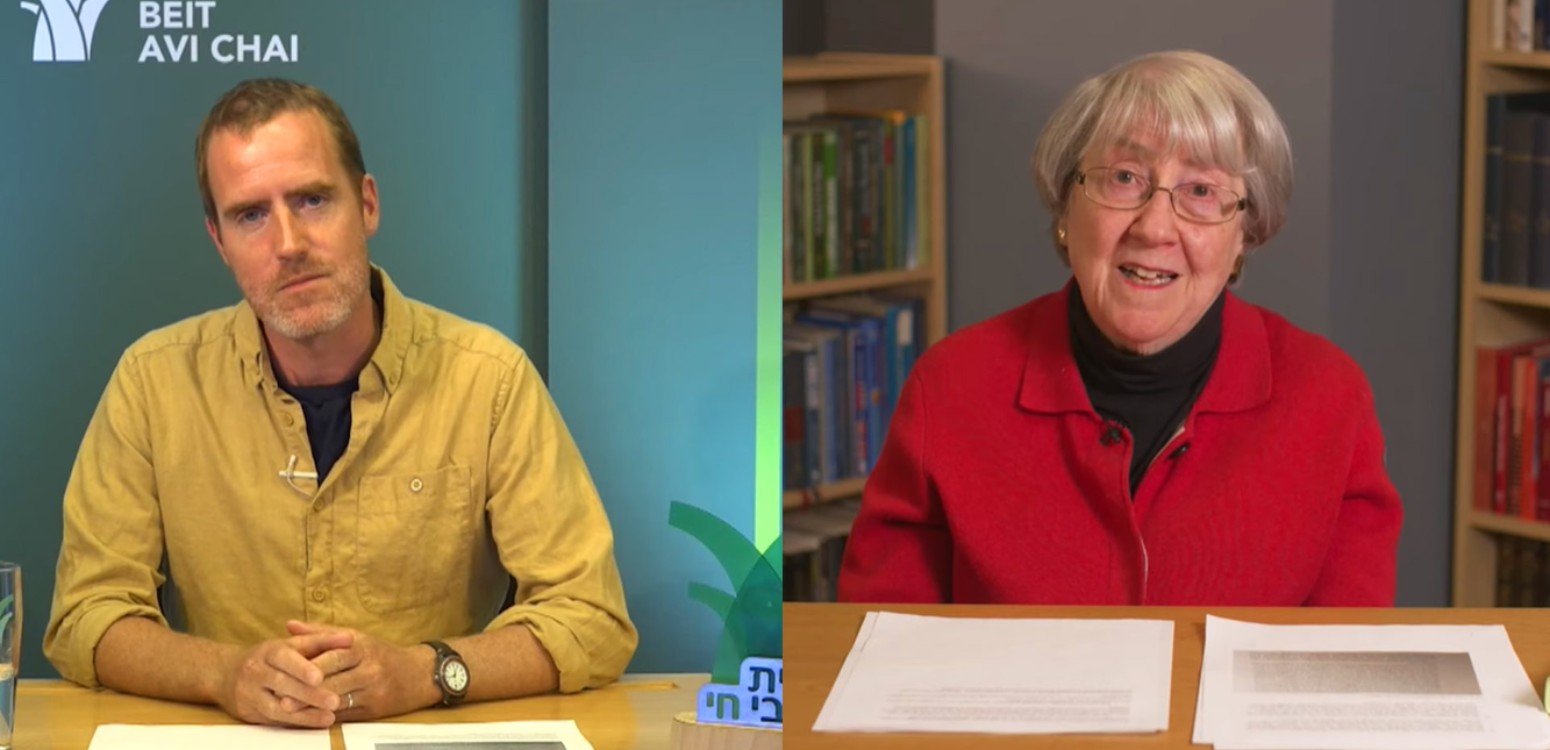
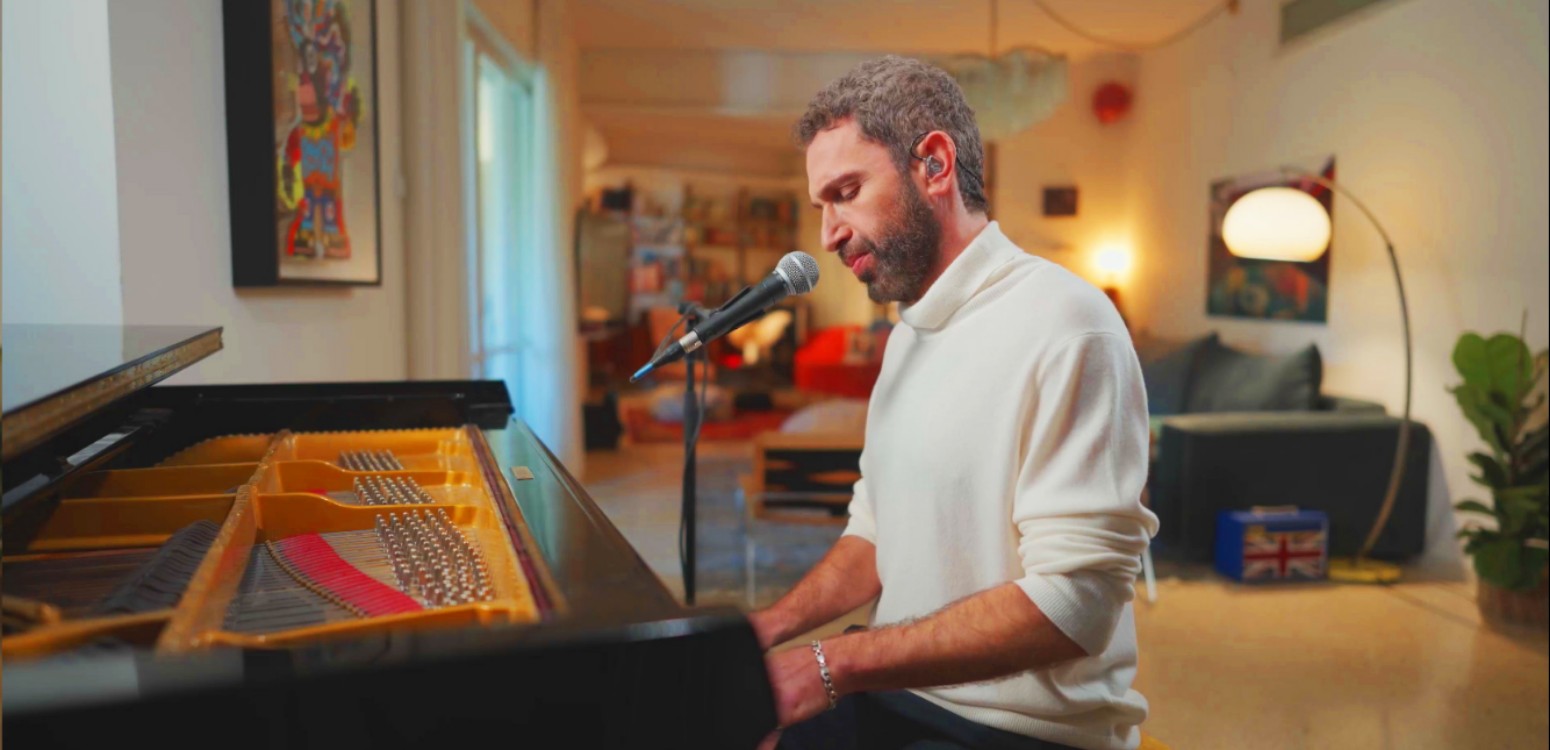
We spoke with Lior Tal Sadeh, host of Beit Avi Chai’s daily podcast “Source of Inspiration”, who dedicated an episode to Luxemburg’s extraordinary letters from prison.
Why is Rosa Luxemburg worth knowing about?
“She was a woman of extraordinary power – a political thinker and leader, protesting in public squares at a time when women rarely occupied that position. Yet the figure that emerges from her letters is someone of immense sensitivity, a remarkable connection to nature, and a psychological ability to find happiness in any situation. The same woman who fought fiercely against the world’s injustices also knew how to embrace the world, to acknowledge that it contains suffering and loss, and to live with that in genuine acceptance.”
Luxemburg opposed WWI and was imprisoned for it. Why?
“She was a true Marxist and she saw a war with no serious justification beyond each power’s desire to expand its dominance and markets. She identified imperialist ambitions in the service of capitalism, and recognized that the millions who would die belonged to the working class – that the war was not being waged on their behalf but on their backs. She viewed the decision to go to war as a cynical exploitation of nationalism in the service of capitalist and imperialist interests.”
You’ve explored the connection between Luxemburg and the Hebrew poet Leah Goldberg, who translated her letters. What was that connection?
“Some Goldberg scholars argue that Goldberg translated Luxemburg’s letters simply because she needed the money, but I think there is a deep connection between the two in their approach to life. Both were deeply connected to nature, and both held a humanism devoted to the flourishing of life. On one hand Goldberg fought against injustice, and on the other she was constantly seeking the light. Both women were humanists in the deepest sense; they managed, through their connection to nature, to touch beauty and experience life to its fullest. Neither married or had children. Both died on January 15th, years apart.”
Luxemburg was a woman with a disability, Jewish, and a foreigner operating in Germany. How did she manage to make her voice heard despite it all?
“Dr. Rosa Luxemburg was brilliant. She possessed extraordinary inner strength and an unshakeable idealism. She dedicated her life to her cause and knew that one day she would die at her post. When she wrote those words, she did not know that day was very near.”
What do her writings offer readers today, especially in times of crisis?
“Rosa Luxemburg offers something that sounds simple but must be learned: to accept life with all its horrors, to understand there may be no answer to the question ‘what is all this for?’, and still to find joy in it. She is reminiscent of Ecclesiastes: acknowledging that everything is vanity, while doing everything possible to improve what can be improved. Her capacity for this went so far that she managed to hear the song of life in the sound of sand beneath her prison guard’s footsteps. And she tried to convey this to Sonja through her letters – how to be happy in any situation. On the one hand, to be humble and yielding, and on the other, to walk with a straight back and be the master of her destiny.”
This article was originally published in Hebrew.
Main Photo: Rosa Luxemburg\ Wikipedia
Model.Data.ShopItem : 0
11